What the 2026 NFPA Code Updates Mean for Your Business in Wisconsin
MONITORINGFIRE ALARMFIRE ALARM INSPECTIONNFPADSPS
1/5/20264 min read
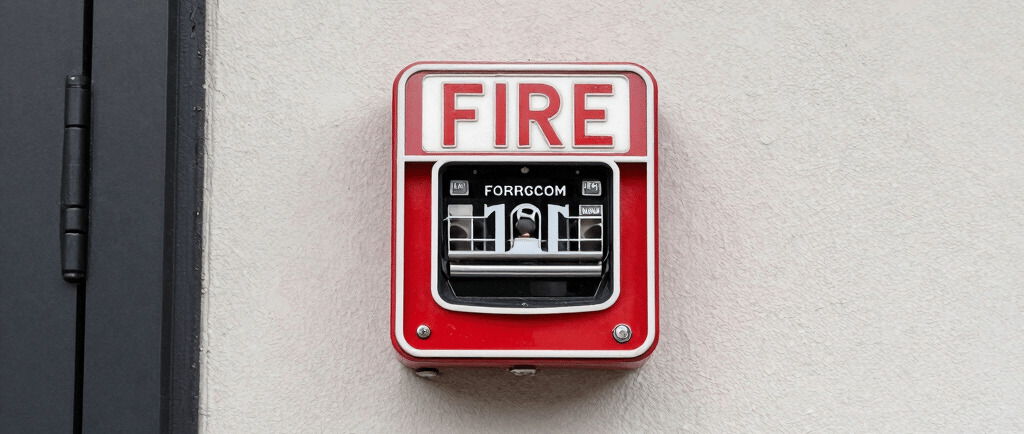
If you manage a commercial building, oversee facilities, or are responsible for keeping a property safe and compliant, the latest updates from the National Fire Protection Association (NFPA) are worth your attention. Each year, NFPA refines its codes and standards to reflect new technologies, emerging hazards, and real-world lessons. And while these changes don’t become law until adopted by your local or state authority, staying ahead of them puts you in a much better position when inspections and plan reviews roll around.
For Wisconsin, the stakes are particularly high right now. The Department of Safety and Professional Services (DSPS) has been tightening its alignment between state enforcement and current NFPA standards — meaning the gap between “best practice” and “required by law” is narrowing faster than many realize. On the commercial building side, Wisconsin Administrative Code SPS 361 to 366 sets the framework for how buildings must be designed and what retroactive requirements may apply when changes are made. Fire prevention and ongoing system maintenance fall under SPS 314 and its related chapters. Together, these state-level codes form the lens through which NFPA updates get interpreted and enforced here in Wisconsin.
Here’s what’s happening with NFPA codes in 2026 — and what it could mean for your property.
Smarter Fire Extinguisher Inspections Are Here
For decades, facilities have been required to perform manual checks on portable fire extinguishers every 30 days — a labor-intensive process that involves physically examining and “hefting” each unit to verify it’s still charged and ready. The 2026 edition of NFPA 10 (Standard for Portable Fire Extinguishers) changes that.
Approved electronic monitoring systems can now serve as an alternative to manual inspections. Rather than a monthly walkthrough, qualifying technology can continuously track extinguisher status and automatically document compliance.
Why this matters for your facility:
Large campuses, warehouses, schools, and municipal buildings with dozens (or hundreds) of extinguishers stand to save significant labor time and cost.
Continuous monitoring means problems are caught faster — not just once a month.
Automated documentation creates a cleaner compliance record for audits and inspections.
Important caveat: Manual inspections remain required until your state or local jurisdiction adopts the 2026 edition of NFPA 10. If you’re unsure of your local adoption status, we can help you find out.
Electrical Safety Gets a Major Overhaul
Fire protection isn’t the only area seeing change. The rise of electric vehicles (EVs) and on-site battery storage systems has pushed two key electrical codes to evolve significantly in 2026.
NFPA 70 — The National Electrical Code (NEC)
The 2026 NEC introduces major structural and technical revisions designed to improve safety, clarity, and accommodate modern infrastructure — including high-voltage systems and EV charging stations. If your facility is adding EV chargers or upgrading electrical systems, you’ll want to make sure any planned work aligns with the updated code.
NFPA 855 — Energy Storage Systems
Battery storage is increasingly common in commercial and industrial properties — from solar-paired systems to backup power installations. The 2026 edition of NFPA 855 expands safety requirements to cover more battery technologies, requires formal hazard analyses, strengthens emergency preparedness measures, and aligns fire testing standards with real-world incident data.
If you have or are planning an energy storage system, these updates are directly relevant to how it must be installed and maintained.
NFPA 72 Is Being Enforced Now — Is Your Fire Alarm System Ready?
While the 2026 editions of NFPA 10, 70, and 855 are new, it’s equally important to pay attention to codes from previous years that are now actively being adopted and enforced by local jurisdictions. NFPA 72 (National Fire Alarm and Signaling Code), 2025 edition, is a prime example.
Many jurisdictions are incorporating NFPA 72 into their local fire codes right now, which means these updates will start showing up in inspections and plan reviews throughout 2026:
Cybersecurity requirements: Chapter 11 now includes enforceable provisions for network-connected fire alarm and signaling systems. This means formal security procedures are required to protect your safety systems from digital threats.
Stronger system coordination: New rules improve how fire alarm systems work with other building systems — including elevators and emergency communications.
Higher technician standards: Clearer expectations for certifications, recordkeeping, and ongoing compliance documentation.
Once NFPA 72 is adopted in your jurisdiction, these aren’t just recommendations — they’re enforceable requirements that affect how systems are designed, installed, inspected, and maintained.
What You Should Do Now
The biggest challenge with NFPA codes isn’t understanding them — it’s knowing which ones apply to you, right now, in your jurisdiction. Adoption timelines vary widely. Some municipalities are on the cutting edge; others are still enforcing editions from several years ago. And some localities go above and beyond NFPA standards with their own requirements.
Here’s a practical starting point:
Find out which edition of NFPA 72 your jurisdiction has adopted — and if cybersecurity provisions are now enforceable for your systems.
If you have EV charging infrastructure or battery storage, review whether your installation aligns with the latest NEC and NFPA 855 guidance.
Assess whether automated extinguisher monitoring could make sense for your facility once your jurisdiction adopts NFPA 10 (2026).
Partner with a qualified low voltage and fire/life safety contractor who stays current on local code adoption.
Element Low Voltage Can Help
At Element Low Voltage, we specialize in fire alarm systems, fire alarm monitoring/inspections, intercom, area of rescue, and integrated life safety solutions. We stay on top of evolving NFPA standards so our clients don’t have to navigate the regulatory landscape alone.
Whether you need a code compliance assessment, a system upgrade, or guidance on how new standards apply to your property, our team is ready to help. Reach out today to schedule a consultation.
This article is for informational purposes. Code adoption timelines and enforcement vary by jurisdiction. Always consult with a qualified professional or your local Authority Having Jurisdiction (AHJ) for guidance specific to your property.
About Us
Element Low Voltage does trusted electronic security, fire alarm, wifi/networking, access control, privacy film, and other low voltage work in Madison and Central/Southern Wisconsin.
Contact
Phone
info@elementlv.com
608-284-8220
© 2026. All rights reserved.